What You Need to Know About Complementary Massages
While a massage can appear to be a way of pampering yourself, it's actually a beneficial and healthy method to reduce tension and stress. It not only promotes relaxation however, it also boosts the immune system by promoting blood flow to the affected areas. A massage is an effective pain reliever that can be used to treat certain physical injuries. It improves mobility, decreases stiffness and swelling in the muscles. Here are some things you need to learn about massages that are complementary to each other.
Structural Integration is an advanced form of massage. Practitioners use a variety of hand and soft tissue techniques to manipulate the myofascial system of the body. This system surrounds muscles and provides them with form. To relieve tension, therapists who are trained in this technique can utilize slow, deep stretching exercises. They may also apply pressure on various areas of the body and request their clients to move whenever the practitioner applies pressure. The results of a structural integration session are lasting and highly beneficial.
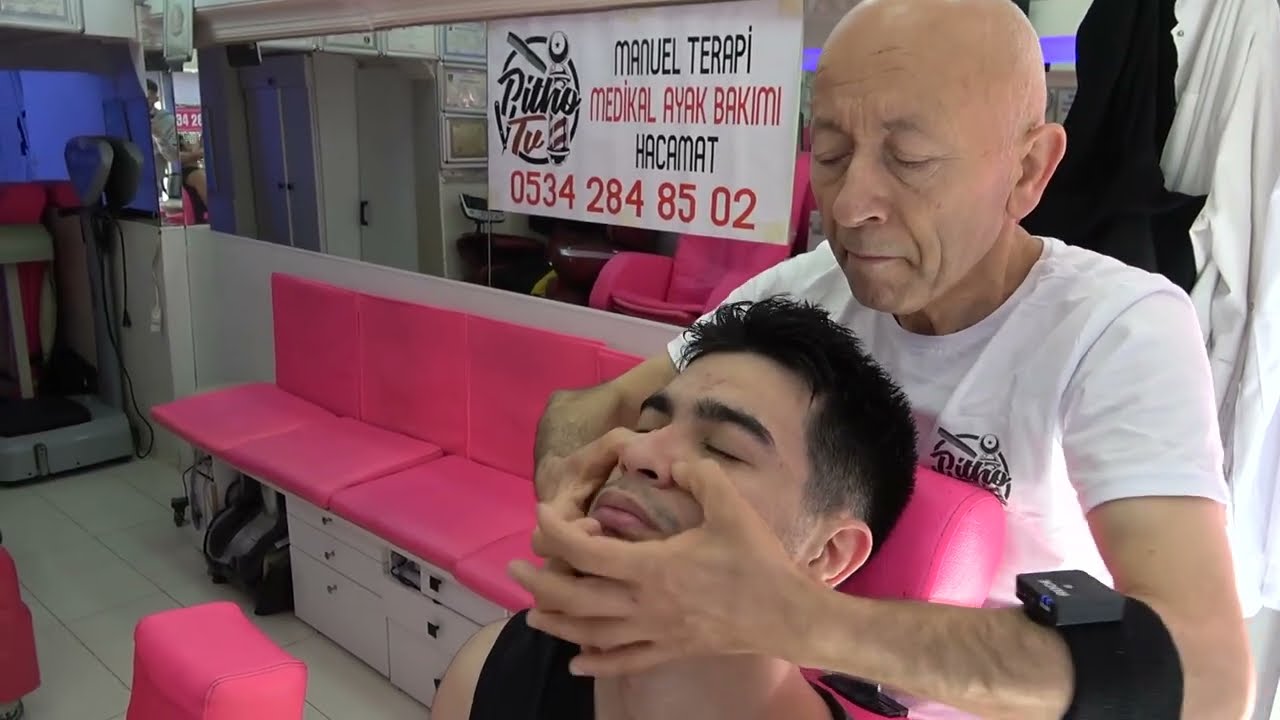
Structural Integration is a hands-on approach for soft tissue. Depending on the level of certification, a patient can be standing or sitting during the session. While it is hard to determine the level of experience required by professionals in this field, it is important to note that a graduate from a CBSI-certified school has been able to demonstrate the highest standards of competence in the practice of. According to the U.S. Bureau of Labor Statistics (USBol Statistics), there will be 21 percent growth in massage jobs between 2029 and 2029. This is partly due the increasing interest in natural healing and the aging population.
Another form of massage is manipulating the myofascial system of the body. It focuses on the fascia, which surrounds muscles and gives the body its shape. Practitioners may employ deep slow stretching exercises as well as constant pressure. Practitioners might ask clients to move while they apply pressure. The aim is to align the body and allow it to move freely. This massage is similar to the physical therapy session however, there are some differences.
A typical structural integration session consists of ten to thirteen sessions that build upon each other. To attain a balanced, healthy posture the practitioner employs various techniques. The body's muscles and fascia are linked by an invisible ring. The whole structure is therefore integrally connected to the body's skeleton. Therefore, it is essential for your health to ensure that you are in good physical health.
A typical structural integration session consists of 10 to 13 sessions. Each session builds upon the one before. This kind of massage utilizes various pressure levels and manual manipulation to balance the body's structural strength. To address different issues, a practitioner may focus on different areas of the body. This type of treatment may be beneficial for people who have complicated medical background. A physician can also prescribe massage therapy that is appropriate for people with a weakened or injured back.
A typical structural integration session comprises between 10 and 13 sessions. Each session builds on the previous session and is focused on the same muscles. Through the course of treatment, the practitioner will employ various manual manipulation techniques and different levels of pressure to correct alignment and stabilize the body's structure. The body is split into layers and segments. The practitioner will look at your posture and review your personal experience to determine which region of the body needs attention. In addition an integration session for structural issues will include movement education to help you improve your movements habits.
Unlike regular massages, structural integration is a more intense treatment strategy. Each session builds upon the previous. It takes between 10 to 13 sessions. It employs gentle pressure to focus on specific muscles in each layer and section of your body. The structural integration specialist will review your history of work and determine the proper pressure to apply to the targeted areas. During an appointment, the patient must be aware of whether they are feeling any pain. The practitioner will adjust to your individual body position if you are comfortable during treatment.
A typical structural integration session is comprised of ten to thirteen sessions. Each session builds upon the previous session. This method of hands-on manipulation of soft tissues involves the use of different pressures Check out the post right here and manual manipulation to improve the structural integrity. The body is divided into layers and segments. This type of massage typically involves ten to thirteen sessions that last between two and four hours each. In addition structural integration practitioners, they can also incorporate movement-related education into their practice.